

Composite Door Repairs Near Me
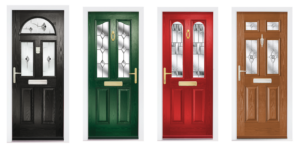
When they're damaged, doors can be the most vulnerable entry point into your home. This can compromise your security. A door that's letting in drafts can be fixed with replacing the caulk and weather stripping.
Minor problems like frames that are sagging can be fixed with a little sanding and carpenters glue. Larger jobs such as replacing a broken hinge need the expertise of a professional.
Glass Breakage
Glass is a stylish, modern component of many homes with windows that let light in and open up the space to European shower doors that give bathrooms an elegant, clean appearance. These features carry the possibility of damage and breaking, which could be a safety and aesthetic concern for homeowners. Luckily they can be addressed with some easy repair methods.
The first step in repairing glass is to ensure that the broken area is dry and free of moisture. This is crucial to avoid further damage and the risk of injury from sharp or jagged parts. Use a sponge or a cloth to gently clean the surface and remove any residue.
Once the area is clean, it's a good idea to cover the entire broken surface with masking tape. This will stop broken pieces from spreading across the room. It will also reduce the mess and also prevent any injuries caused by fragments. When handling broken pieces of glass, it's best to wear gloves made of heavy-duty and closed-toed shoes.
It is also crucial to inspect the area and see if there are any areas of the glass that might have gaps which could lead to further damage or breakage. The use of a gap-filling epoxy may help seal any gaps between the glass's surface to prevent water or other elements from getting into the crack and causing further damage.
When attempting to repair the gap, be sure to follow the directions on the glue package for mixing and application. It is recommended to work in a well-ventilated space with a pair of latex or Nitrile gloves. It is also essential to wash the skin of any areas that come in contact with the glue promptly and thoroughly.
There are many reasons glass can break, including internal defects and impact. Internal flaws include nicks that contain steel or nickel, which could be caused by the equipment that is used to manipulate and create the glass. They can alter the chemical composition of glass, causing it to weaken with time. This is more often the case with fully-tempered glass, and it can cause it to break when the stress caused by the internal defect exceeds the strength of the glass.
Sticking Doors
It can be difficult to deal with a problem like sticking doors. The issue could be caused by a variety of things such as a sagging frame or loose hinge screws, to the swelling of wood due to humidity. While some issues can be solved by simply tightening the hinges, others may require a more substantial repair. It is important to speak with a professional in order to get the best solution.
The first step is to locate the area where the door is rub against the frame. You can do this by examining the frame and door for signs, such as scratched paint or worn edges. You can also close the door and place your hands on various places within the frame to feel for resistance. If you are unable to pinpoint the point where the door is rubbing against the frame, try moving an object of paper or something similar to it along the gap once the door is closed to determine the place where it is stuck.
After you've identified the location where the door is rubbing against the frame and frame, it's time to consider tools to fix the problem. A dehumidifier can help regulate humidity levels in the event that your door is stuck because of humidity. If not, it may be necessary to invest in a block plane. This will help to trim the surface of the door so that it doesn't be pushed against the frame when you open and close it.
It is also important to keep in mind that the kind and quality of the wood used in your doorframe can influence its susceptibility to humidity fluctuations. For instance, uPVC frames are less likely to be stuck than wooden ones, since they don't swell when exposed to a high level of moisture.
Broken Hinges
Over time, the hinges on your doors can wear out and cause them to sag or stick. They're also the main way your door opens and closes, so it's important they keep working correctly. If you leave a hinge related problem unchecked for a long time it can cause problems with the frame of your door and the locking hardware.
Hinges are constructed from various materials however they all function in a similar way. Standard hinges (on doors for interior use) use 2 to 3 hinges along the vertical edge of the door. They can swing both outward and inward. They are susceptible to a lot of wear and tear caused by everyday life and also damage caused by other activities like roughhousing, moving or smashing.
Saloon hinges are a great option for heavier solid core wood or metal-clad doors. They are stronger and security. The kind of hinge fitted to your door has a lot to do with the door and also the type of lock you choose to use.
If your door is stuck, it's due to the hinge pin bushings are worn out and no longer strong enough to support the weight of the doors. In this situation, you can reduce the weight of the hinges of your door by gently lubricating the hinge and using the hammer with a small size to gently drive the bushings into place. You can replace the bushings, in the event that they are damaged beyond repair or you prefer something more durable.
More suggestions on your door and frame tell much about the quality of the frame itself. A sturdy, well-built hinge can be the difference between a strong door frame that functions and one that may fail and cause problems with your doors' operation or even your home’s structural quality.
If the hinges on your door have gotten swollen due to moisture or the screws that hold them up have deteriorated, the best solution is to repair the frame itself. This can be accomplished in a variety of ways based on what the problem is. It's important to speak with your expert in Physical Security about any concerns you might have about fire-rated openings prior to making any changes to your hinges, or the frame of your door.
Frames that are damaged
When they're welcoming guests into a home or keeping intruders away, doors need to perform their duties correctly. If the frames become damaged, it can impact their performance and could be dangerous. While there are numerous repairs that can be done by DIYers, larger projects such as replacing frames or installing weather stripping need the expertise of a professional.
Replacing a frame for a door can cost you $32 for a standard slab of hardboard, and up to $673 for custom-made wooden or composite frames. Installing a pre-hung doors with frame costs between $109 to $240. The most popular materials used to make door frames is wood and metal. Metal and composite materials that are less susceptible to chipping and require less maintenance can also be found.
Small repairs like tightening hinges, sanding installing insulation tape, or caulking can be completed by the majority of people. If you do have the skills of a carpenter, it is possible to fix more involved problems. If the door frame is wobbling, you can sand its edges and apply varnish to hold it in shape. Carpenters can reinforce the frame if it is cracked by gluing it together.
Rot is the most frequent problem that can cause doors to become soft or fall apart. Water leaks are the most common reason for wood rot. A rot repair kit containing epoxy putty or fiberglass filler can be used to repair damaged parts and seal leaks.
Dings and dents can also result from children kicking the door or strollers rolling them. A kick plate for the door can hide these marks and shield them from further damage. Adding dead bolts or hinge guards to the doors can reduce the chances of children or pets getting their fingers stuck in the hinges of the door.
There are people who have an issue with their door frame height and want to alter the gap between the jamb and rough opening. This can be a straightforward DIY project however, it could require assistance from a neighbor to lift the frame into place and put shims in between the jamb and the wall at the hinge locations.